Selling AI Digital Products with ChatGPT, Canva, and Stan Store: A Realistic Look at the Opportunity
The promise of passive income from digital products is hardly new, but the combination of AI tools has made it easier than ever to create and sell them without inventory or shipping. A recent YouTube tutorial by creator With Manny showcases exactly this workflow, using ChatGPT, Canva, and Stan Store to build a digital product business. The title claims $10K/month, but let’s look at what’s actually involved and whether the opportunity is real.
What Happened
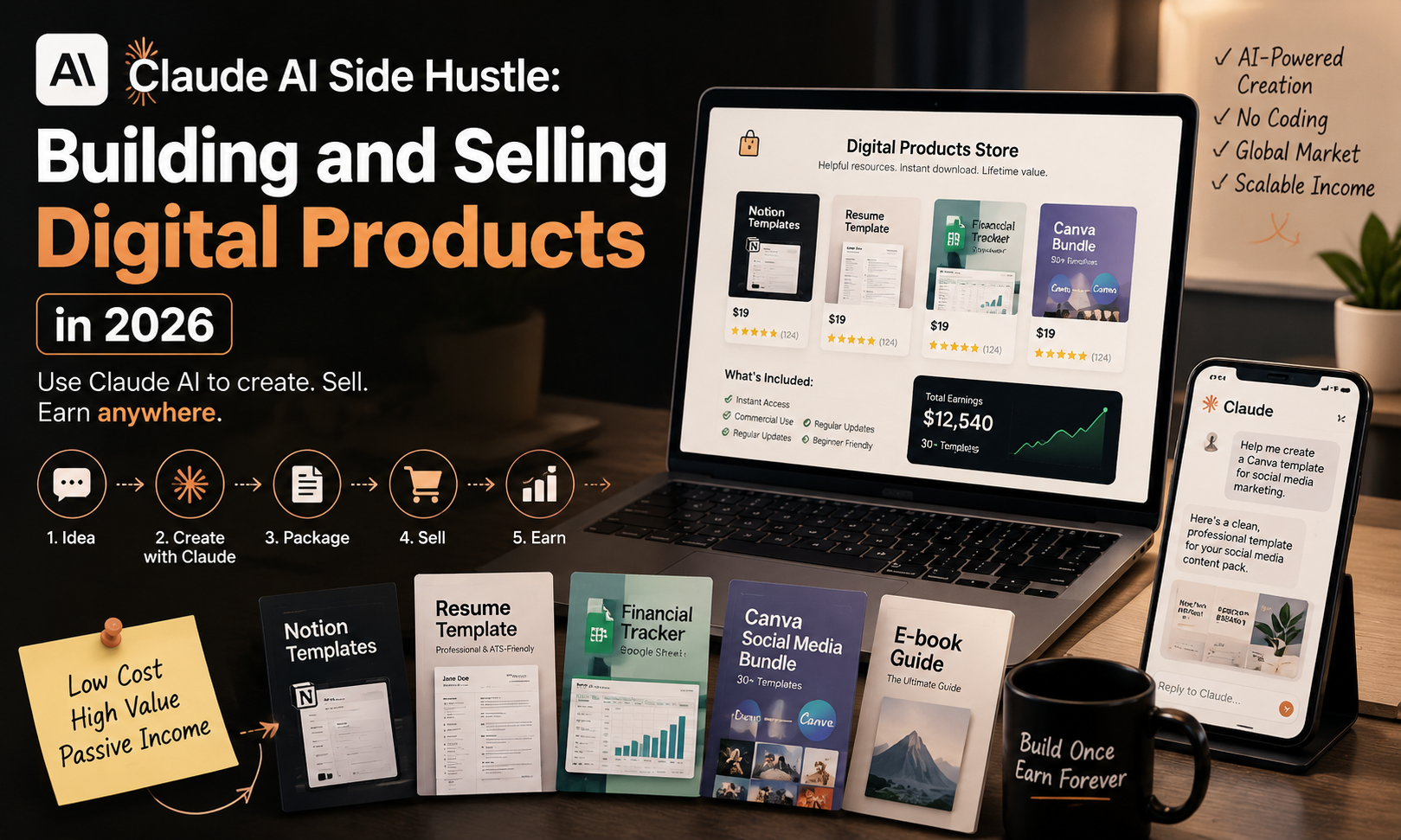
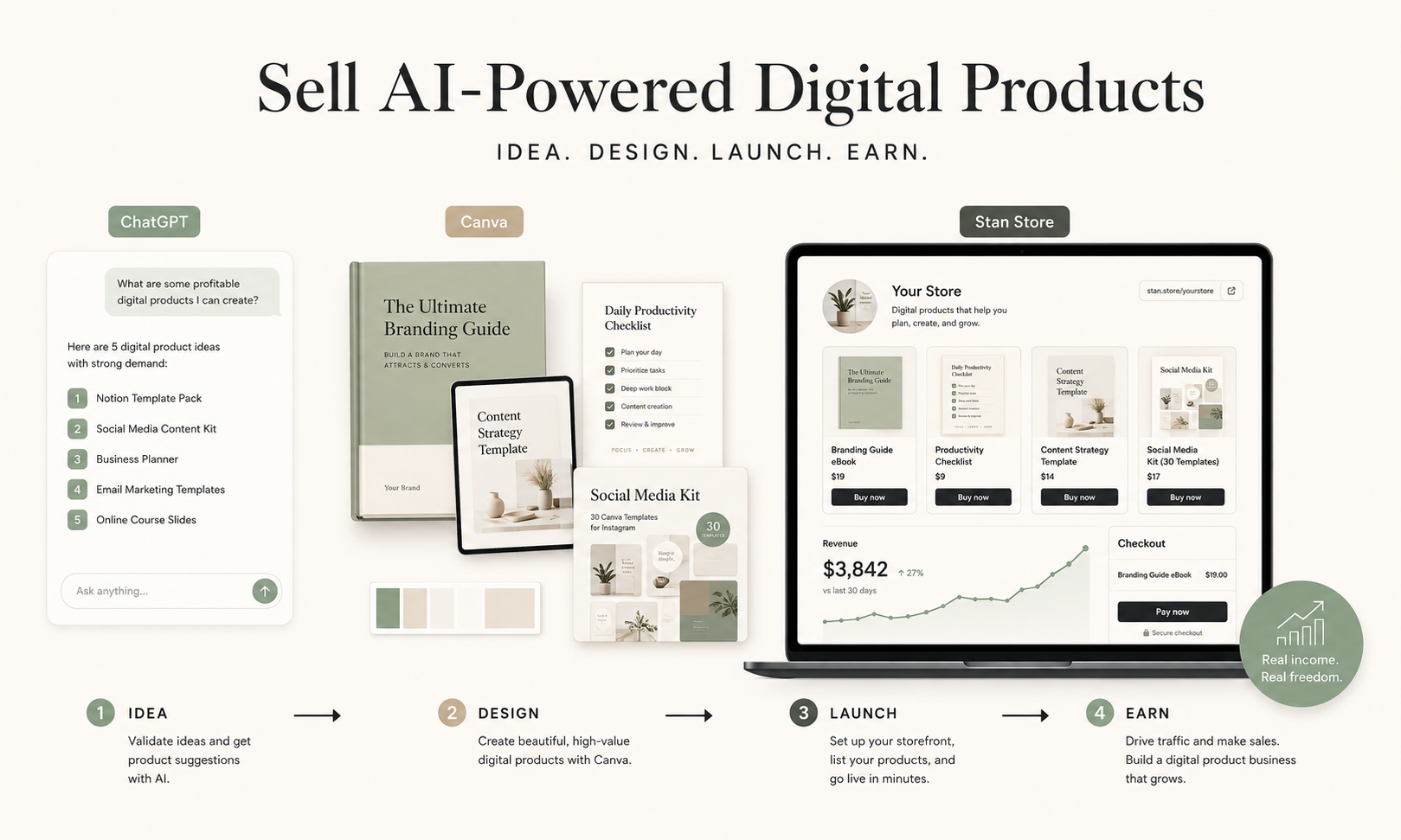
In a short tutorial (1 minute 20 seconds) published on July 20, 2026, creator With Manny demonstrates how to create, launch, and sell digital products using three tools: ChatGPT, Canva, and Stan Store. The video promises to teach viewers how to come up with profitable product ideas with ChatGPT, design professional products in Canva, upload them to Stan Store, and build a high-converting link-in-bio page. The description mentions selling templates, guides, prompts, checklists, ebooks, or mini-courses. The video itself is a promotional piece for the creator’s own AI resources and templates, sold through a Stan Store link.
Confirmed facts from the source:
• Channel: With Manny
• Video title includes “Make $10K/Month Selling AI Digital Products”
• Tools mentioned: ChatGPT, Canva, Stan Store
• Product types: templates, guides, prompts, checklists, ebooks, mini-courses
• The creator has a Stan Store storefront at stan.store/LUNANOIR (not verified)
• The income claim of $10K/month is unsubstantiated and cannot be verified from the metadata.
AI Tools Used
The video explicitly mentions three tools:
• ChatGPT: Used for brainstorming product ideas and possibly generating content for digital products.
• Canva: Used for designing visually appealing digital products such as templates, guides, and ebooks.
• Stan Store: A platform for hosting and selling digital products via a simple link-in-bio storefront.
No other AI tools are mentioned. The workflow is straightforward and accessible to beginners.
How It Works
Based on the description, the process involves four steps:
1. Ideation with ChatGPT: Ask ChatGPT for profitable digital product ideas, likely tailored to a niche or audience.
2. Design in Canva: Use Canva’s templates and AI features to create professional-looking products without design skills.
3. Upload to Stan Store: Add the products to a Stan Store account, which provides a link-in-bio storefront for easy sharing on social media.
4. Promote via link-in-bio: Drive traffic from TikTok, Instagram, or YouTube to the storefront and start earning passive income.
The exact details of each step (e.g., how to prompt ChatGPT for high-converting ideas, what Canva settings to use) are not provided in the video metadata. The workflow is presented as a beginner-friendly system, but actual execution likely requires trial and error.
Business Opportunity
The opportunity here is real in principle: creating and selling digital products is a proven online business model, and AI tools lower the barrier to entry. Solo builders can use ChatGPT to generate content ideas and outlines, Canva to design the final product, and Stan Store to handle payments and delivery without technical setup. The potential market includes social media users (especially on TikTok and Instagram) looking for templates, guides, or resources in niches like personal finance, fitness, productivity, or social media growth.
Possible business models:
• Sell single digital products (e.g., a planner template) for $5–$20.
• Bundle multiple products into a “starter kit” or course.
• Offer recurring subscription products (e.g., monthly prompt packs).
Risks and limitations (editorial analysis):
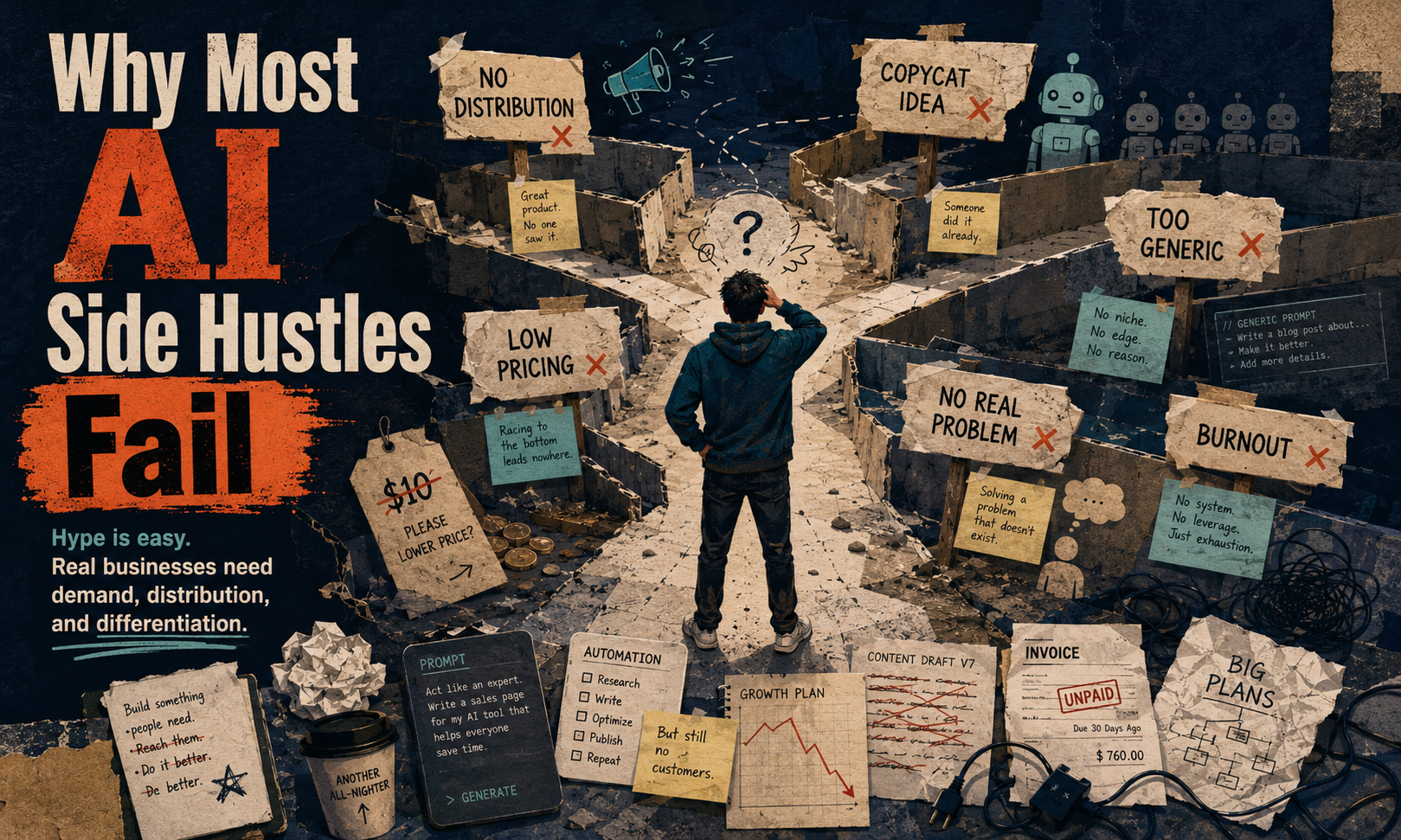
• Unverified income claim: The $10K/month figure in the title is not backed by evidence. Most digital product sellers make far less; success depends on niche, marketing, and audience size.
• High competition: The low barrier means many others are using the same tools. Standing out requires a unique angle or strong personal brand.
• Stan Store fees: The platform charges transaction fees (typically around 2.9% + $0.30), which eat into margins.
• No inherent traffic: Selling digital products requires consistent promotion. The link-in-bio model works only if you already have an audience or can drive traffic through organic content or paid ads.
• Product quality: Relying solely on ChatGPT and Canva may result in generic products. Customers expect value and originality.
The opportunity is worth exploring for builders who are willing to test, iterate, and build an audience, but the “passive income” label is misleading. Income is rarely passive without ongoing marketing.
Key Takeaways
• The workflow is simple and accessible to anyone with basic digital skills. You can start for free using ChatGPT and Canva free tiers.
• Focus on a specific niche where you can add genuine value. Generic AI-generated products are unlikely to sell well.
• Invest time in building an audience or learning basic marketing. The product is only half the equation.
• Treat the $10K/month claim as aspirational, not realistic for most beginners. Start with a goal of making your first sale, then scale.
• Consider using other AI tools like Midjourney for custom graphics or Notion for product delivery to differentiate your offers.
Bottom line: The AI digital product workflow is a legitimate entry point for solo builders, but it’s not a shortcut to instant riches. The real work is in creating valuable products and getting them in front of the right people.
Original video
This article is based on the original YouTube video from With Manny. Watch the source here: