I Built a Game with AI in 14 Days: How a Solo Developer Used Claude Code to Win $25K
A few years ago, creating a commercial game required a team.
You needed:
• Game developers to write code
• Artists to create characters and environments
• Designers to build gameplay systems
• Sound engineers to produce audio
• QA testers to find bugs
For a solo developer, building a complete game was usually unrealistic.
But AI is changing this equation.
A developer with 9 years of iOS experience recently completed an experiment that shows what the future of solo development may look like.
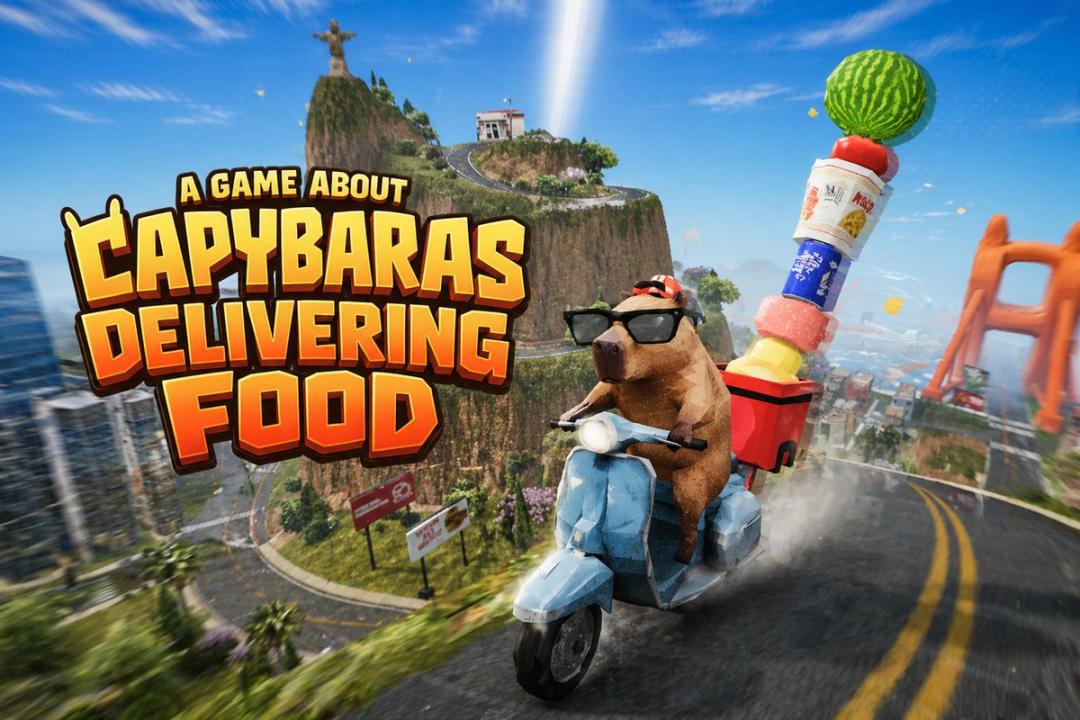
Using Claude Code and a collection of AI tools, he built a complete game called "Capybara Food Delivery" in just 14 days.
The project included:
• More than 27,000 lines of code
• Custom gameplay systems
• 3D characters
• Game environments
• Animations
• Music and sound effects
• Internal development tools
The total cost was less than $150.
The project eventually won a competition with a $25,000 prize.
However, the biggest takeaway is not the prize.
The important question is:
How did one person use AI to replace an entire development team workflow?
The Project: From Simple Idea to Complete Game
The original concept was simple:
A cute capybara riding a scooter around a city while delivering food.
The idea sounds small, but building even a simple game requires many different systems.
A traditional development process would require:
Programming
• Player controls
• Vehicle movement
• Game logic
• Mission systems
• Collision detection
• Score calculation
Art Production
• Character design
• 3D models
• Buildings
• Vehicles
• Environment assets
Game Design
• Level design
• Difficulty balance
• Player progression
Audio Production
• Background music
• Sound effects
• Character sounds
Normally, these tasks would be divided between multiple specialists.
Instead, the developer used AI as a virtual production team.
The AI Team Behind The Project
The most interesting part of this experiment was not using one AI tool.
It was creating a workflow where different AI tools handled different parts of development.
Claude Code: The AI Developer
Claude Code was the central tool for programming.
Instead of manually writing every feature, the developer described what he wanted to build.
For example:
• Create a player movement system
• Add scooter physics
• Build delivery missions
• Create NPC interactions
• Add scoring mechanics
Claude generated the initial code implementation.
However, the workflow was not:
"Write one prompt and receive a finished game."
The actual process looked more like working with another developer:
Developer explains the feature
↓
Claude generates code
↓
Developer tests inside the game
↓
Problems are reported back
↓
Claude modifies the implementation
↓
Feature improves through iteration
The developer still made the important decisions.
AI accelerated execution.
Using AI for Game Design and Visual Assets
Writing code was only one part of creating a game.
A game also needs a visual identity.
Traditional game development requires artists to create:
• Characters
• Props
• Environments
• UI elements
AI reduced the cost of experimentation.
The developer could quickly generate and test different ideas before committing resources.
The workflow became:
Game idea
↓
AI-generated visual concepts
↓
Select the best direction
↓
Convert concepts into usable assets
↓
Integrate into the game
Instead of spending weeks exploring ideas, AI allowed rapid iteration.
AI-Assisted 3D Asset Creation
One of the biggest challenges for independent game developers is 3D production.
Creating professional 3D models usually requires specialized skills.
AI-assisted 3D tools changed the workflow.
A traditional process:
Concept
↓
3D artist creates model
↓
Rigging
↓
Animation
↓
Game integration
↓
Testing
This does not completely replace professional artists.
But it allows one person to create prototypes that previously required a larger team.
AI-Generated Music and Sound Effects
Audio production is another area where solo creators usually struggle.
The project used AI tools to generate:
• Background music
• Sound effects
• Audio elements
Instead of purchasing expensive asset packs or hiring musicians, the developer could create custom audio quickly.
This matters because small details often determine whether a prototype feels like a real product.
The Development Process: How The Game Was Built
The most valuable part of this experiment is the process.
The developer did not start by trying to build a perfect game.
Instead, he followed an AI-first iteration approach.
Phase 1: Building The First Prototype
The first goal was not polish.
It was proving that the core gameplay worked.
The developer focused on:
• Basic movement
• Character interaction
• Simple game mechanics
• Basic environment
AI helped create the first working version quickly.
This allowed him to test whether the idea was worth continuing.
Phase 2: Expanding Game Systems
Once the basic gameplay worked, more systems were added.
Examples included:
• Delivery mechanics
• User interface
• Game progression
• Environmental interactions
Instead of building everything manually, the developer used AI to handle repetitive implementation work.
Phase 3: Improving Content Creation Speed
As the game became more complex, content creation became the bottleneck.
Creating every object manually would slow development.
This is where the workflow changed.
Instead of only asking AI to create content, the developer asked AI to create tools.
The Biggest Breakthrough: AI Built Tools For Itself
This was the most important lesson from the project.
At some point, manually creating game environments became too slow.
The developer faced a common problem:
The limitation was no longer coding.
The limitation was production speed.
Instead of continuing manually, he used AI to create custom development tools.
For example:
• Map editors
• Environment tools
• Object placement systems
• Workflow helpers
The process became:
AI creates development tools
↓
Tools make human work faster
↓
Developer creates more content
↓
AI improves the workflow again
This created a productivity loop.
The AI was not only producing the final product.
It was helping create the system that produced the product.
Running Multiple AI Agents Like A Development Team
Another interesting approach was separating AI tasks.
Instead of using one AI conversation for everything, different sessions handled different responsibilities.
For example:
AI Developer
Responsible for:
• Game logic
• Programming systems
• Debugging
AI Designer
Responsible for:
• Gameplay ideas
• User experience
• Feature suggestions
AI Assistant
Responsible for:
• Research
• Documentation
• Problem solving
This created a virtual team structure.
One person could manage multiple AI specialists at the same time.
The Complete AI Tool Stack
The project used a combination of AI tools.
Claude Code
Main programming assistant.
Used for:
• Writing code
• Debugging
• Creating systems
• Building internal tools
AI Image Generation
Used for:
• Character concepts
• Visual exploration
• Design references
AI 3D Tools
Used for:
• Creating models
• Preparing assets
AI Audio Tools
Used for:
• Music
• Sound effects
Game Development Framework
Used as the foundation for assembling the final product.
The important lesson is not any single tool.
The advantage came from combining multiple AI capabilities into one workflow.
Can This Model Create Real Businesses?
The game itself is an interesting example, but the bigger opportunity is much broader.
The same AI workflow applies to many types of businesses.
Building Micro SaaS Products
Instead of spending months developing software, founders can:
• Build prototypes faster
• Test customer demand
• Improve based on feedback
Creating Digital Products
AI can help create:
• Templates
• Guides
• Courses
• Design assets
• Business resources
Building Niche Tools
A solo creator can now build small tools for specific audiences.
Examples:
• Industry calculators
• Workflow automation tools
• Internal business applications
Content Businesses
AI can assist with:
• Research
• Writing
• Image creation
• Publishing workflows
The New Skill: Managing AI Systems
The biggest change is that coding ability is no longer the only advantage.
The valuable skill is becoming:
Knowing what to build and how to guide AI.
The new builder needs:
• Problem identification
• Product thinking
• Clear communication
• Fast testing ability
• Customer understanding
AI increases execution speed.
But humans still decide:
• Which problems matter
• Which ideas are valuable
• What users actually need
Final Thoughts
The Capybara Food Delivery project represents a new development model.
A single developer used AI tools to complete work that previously required an entire team.
The future may not belong only to companies with large engineering departments.
It may belong to individuals who can combine:
• Creativity
• Product thinking
• AI tools
• Fast experimentation
AI is not just making developers faster.
It is changing who gets the opportunity to build.
For solo entrepreneurs, the biggest advantage is no longer having more resources.
It is learning how to turn AI into a complete production system.